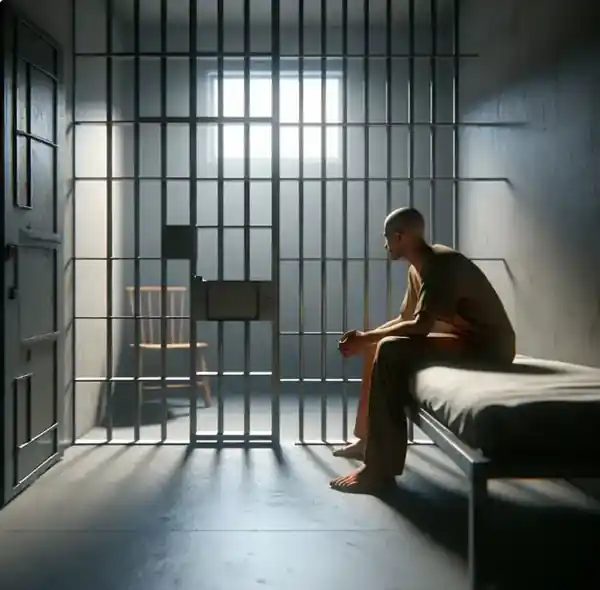
The regional government of Catalonia has launched a programme to prevent suicide and self-harm in Catalan prisons and to improve how conflicts are handled inside the centres.
What the programme includes
- Around 100 new specialists, including psychologists and other professionals.
- A budget of six million euros per year.
- A planned duration of three years.
The Department of Justice explained that the decision follows a rise in self-harm, suicides, assaults and the use of mechanical restraints in the years after the pandemic. The minister in charge said the aim is to break this trend and to build a prison model centred on reintegration.
The figures behind the decision
According to the Department of Justice, 14 inmates took their own lives in Catalan prisons in 2022, compared with 11 in both 2020 and 2021 and 7 in 2019. Recorded suicide attempts also rose, from 101 in 2019 to 154 in 2022. In the same year, prison staff reported 40 serious and 330 minor assaults.
The department's own view is clear: "Any suicide in prison is already a failure."
What this means for inmates and families
Mental health is one of the biggest concerns we hear from families of people held in Spanish prisons, especially for foreigners who may not speak the language and have no one nearby. If you are worried about a loved one:
- Ask to speak with the prison's social worker or psychologist. Every Spanish prison has these services.
- Tell the prison in writing if you know of a previous mental health condition or medication.
- Keep regular contact through letters, calls and visits. Isolation increases the risk.
If you need help contacting the prison or understanding the options, write to us. In an emergency outside prison, call 112.
Source: 20minutos.es