Category: Prison News

  • How Spain’s prison system works beyond the bars

    How Spain’s prison system works beyond the bars

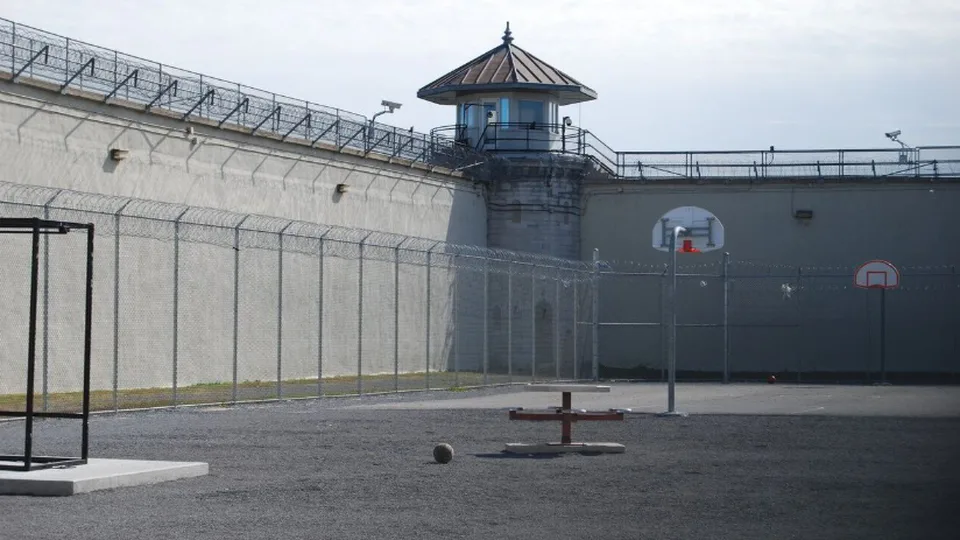
    Spain’s prison system is not built around punishment alone. It is designed to move inmates through a regime of classification, treatment and gradual reintegration, with security and rehabilitation working side by side.

    That approach matters because it shapes almost everything inside a prison: where a person is held, how much movement they have, whether they can work or study outside, and when they may move closer to release. It also helps explain why Spain’s system is often discussed alongside Spain’s prison population at a ten-year low, since pressure on the system affects daily operations.

    At the same time, the model is under strain. Staff shortages, uneven resources and the management of complex inmates continue to test an institution that is meant to be both strict and rehabilitative.

    The ‘grado’ system is the key to understanding prison life

    The central feature of Spain’s prison regime is the grado system. Inmates are generally classified into first, second or third degree, and that classification determines how restrictive their regime will be.

    First degree is the most restrictive and is reserved for the most difficult or dangerous cases. Second degree is the ordinary regime for most prisoners. Third degree is the most open, and it can allow semi-liberty measures such as daytime work or study outside the prison, depending on the person’s situation and legal progress.

    This structure is what makes Spain’s prisons different from a simple warehouse model. The aim is to reward progress, manage risk and prepare people for eventual release, rather than keeping everyone under the same level of control until the end of a sentence.

    It also connects directly to wider sentencing rules. As explained in our guide to suspended sentences in Spain, alternatives to full custody depend on the offence, the sentence length and the person’s legal profile, which means prison is not always the final stage of the process.

    What daily life inside a Spanish prison looks like

    Daily life is highly structured. Mornings usually start with wake-up calls and counts, followed by work, education or training for those who are assigned to such activities. The day is broken up by meals, roll calls and controlled periods of recreation.

    Routine is not just about discipline. It is also meant to reduce conflict and give inmates a predictable framework for the day, which is important in institutions where tension can rise quickly. For families trying to understand what to expect, our overview of daily life in a Spanish prison gives a more practical picture of visits, routines and contact with the outside world.

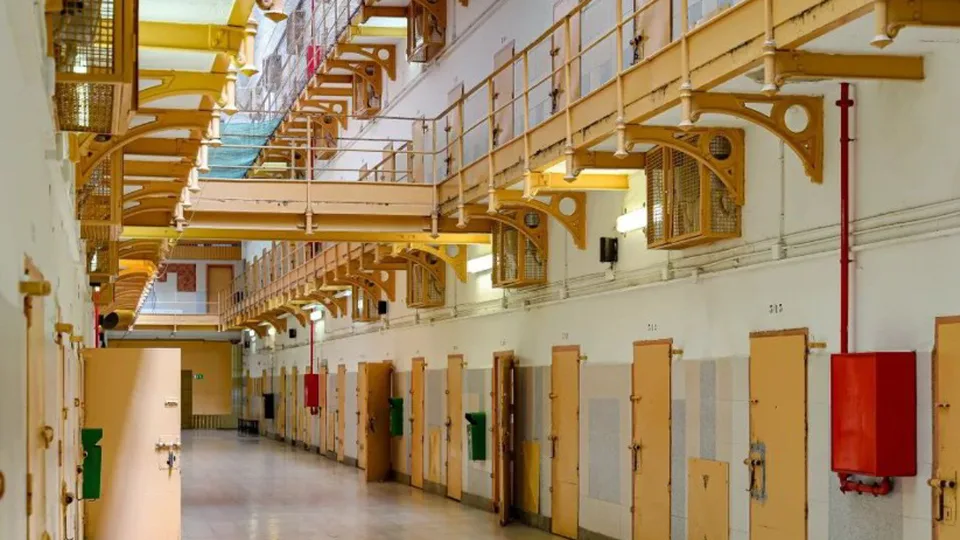
    Living conditions depend on the prison and on the inmate’s classification. Cells may be shared or individual, and access to exercise, books, workspaces and healthcare varies from one centre to another. Even where the legal framework is protective, the reality can still be limited by overcrowding or staff shortages.

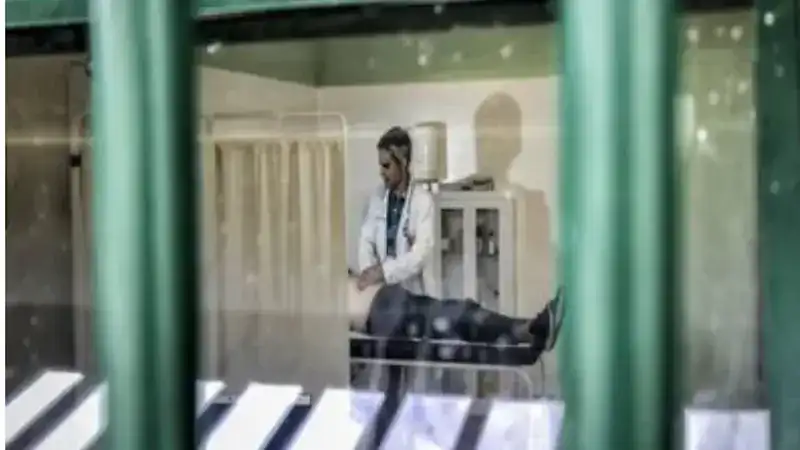
    Healthcare is a core right, not a bonus. Medical and psychological care are supposed to be available, alongside legal assistance and channels to maintain family contact through visits, calls and correspondence.

    Rehabilitation is the goal, but the system still faces pressure

    Spain’s model places a strong emphasis on education, vocational training and treatment programmes. The idea is that custody should reduce reoffending, not only isolate the person from society.

    That principle is easy to support in theory, but difficult to apply consistently. Not every prison has the same resources, and not every inmate is in a position to benefit from the programmes offered. The result is a system that can be progressive on paper while still struggling with practical limits.

    The challenge becomes sharper for people with mental health problems or substance abuse issues. Prisons are not designed to replace hospitals or long-term social care, yet they are often forced to deal with both. That gap is one reason prison debates in Spain keep returning to staffing and medical coverage, as seen in our report on CSIF and the lack of doctors in Andalusian prisons.

    There is also the question of safety inside the institutions. Conflict, assaults and pressure on staff are recurring issues in the prison debate, which is why unions continue to call for more protection and better conditions, as highlighted in coverage of attacks on prison officers in Spain.

    Why the Spanish model still stands out

    Spain’s penitentiary system is shaped by a constitutional idea: even when a person loses liberty, they do not lose dignity. That is why rights, treatment and family ties are built into the legal framework rather than treated as optional extras.

    The model is not unique in Europe, but it does stand out for the weight it gives to reintegration. The best-case path is gradual: start in a restrictive regime, move toward greater responsibility, and leave prison with more support than when the sentence began.

    At the same time, public confidence depends on whether prisons can actually deliver that promise. If facilities are overcrowded, under-resourced or unable to manage violence, the gap between law and reality becomes harder to ignore.

    What this means for inmates and families

    The grado a person is given affects almost everything: how often the family can visit, whether day release is possible and how quickly the road to release opens up. A classification is not fixed. It is reviewed over time, and a well-prepared request from a lawyer can make a real difference.

    If someone close to you is in prison in Spain and you are unsure what their classification means or what can be done, contact GC Libertad. We connect you with experienced lawyers and help you with the practical side, in your own language.

    In short

    • Spain’s prisons are designed around rehabilitation as well as security.
    • The grado system decides how open or restrictive an inmate’s regime is.
    • Daily life is structured around counts, work, education and controlled recreation.
    • Rights to healthcare, legal help and family contact are part of the legal framework.
    • The system still faces pressure from overcrowding, staff shortages and complex needs.

    Source: Fukuro Legal
  • Catalonia launches prison suicide prevention plan

    Catalonia launches prison suicide prevention plan

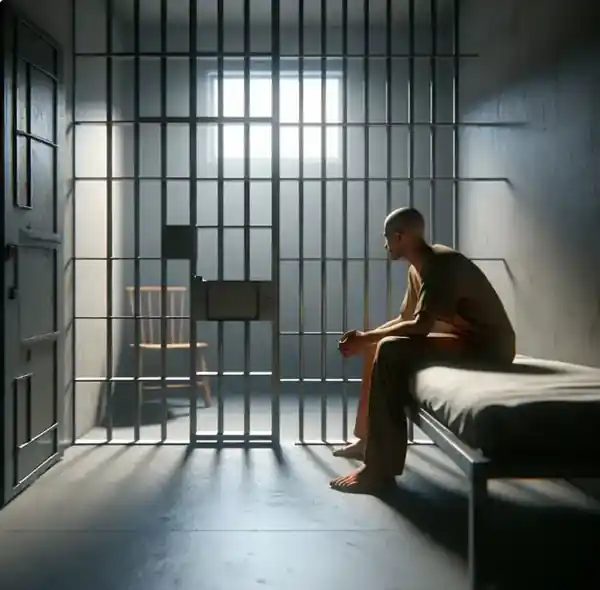
    The regional government of Catalonia has launched a programme to prevent suicide and self-harm in Catalan prisons and to improve how conflicts are handled inside the centres.

    What the programme includes

    • Around 100 new specialists, including psychologists and other professionals.
    • A budget of six million euros per year.
    • A planned duration of three years.

    The Department of Justice explained that the decision follows a rise in self-harm, suicides, assaults and the use of mechanical restraints in the years after the pandemic. The minister in charge said the aim is to break this trend and to build a prison model centred on reintegration.

    The figures behind the decision

    According to the Department of Justice, 14 inmates took their own lives in Catalan prisons in 2022, compared with 11 in both 2020 and 2021 and 7 in 2019. Recorded suicide attempts also rose, from 101 in 2019 to 154 in 2022. In the same year, prison staff reported 40 serious and 330 minor assaults.

    The department's own view is clear: "Any suicide in prison is already a failure."

    What this means for inmates and families

    Mental health is one of the biggest concerns we hear from families of people held in Spanish prisons, especially for foreigners who may not speak the language and have no one nearby. If you are worried about a loved one:

    • Ask to speak with the prison's social worker or psychologist. Every Spanish prison has these services.
    • Tell the prison in writing if you know of a previous mental health condition or medication.
    • Keep regular contact through letters, calls and visits. Isolation increases the risk.

    If you need help contacting the prison or understanding the options, write to us. In an emergency outside prison, call 112.


    Source: 20minutos.es

  • Andalusian prison officers demand improvements after rise in attacks

    Andalusian prison officers demand improvements after rise in attacks

    Prison officers across Spain took to the streets in July 2022 after a series of attacks on staff, including incidents at the Murcia II and Estremera prisons where officers were injured.

    Why the officers are protesting

    Union representatives from the Sevilla I and Sevilla II (Morón) prisons described the situation as an "explosive cocktail". Their main concerns:

    • Staff shortages. Public job offers are not filling the positions needed to replace an ageing workforce.
    • Lack of health care. The shortage of medical staff affects inmates directly.
    • More incidents. In the month before the protests, two attacks were recorded in Andalusian prisons: one in Cádiz, where an inmate attacked an officer and three other inmates, and one in Córdoba, where two workers needed medical attention.

    The protests were organised by the unions Acaip, UGT and CSIF and held at the same time outside government offices throughout Spain.

    What this means for inmates and families

    Understaffed prisons affect everyone inside, not only the officers. Fewer staff often means fewer activities, slower handling of requests, delayed medical appointments and more lockdowns after incidents.

    If your loved one is in one of these centres and you are not getting answers, it helps to put every request in writing and keep a copy. We can help you follow up with the prison and the lawyer. Contact us.


    Source: La Razón

  • Attacks on prison officers in Spain reach 453 in one year

    Attacks on prison officers in Spain reach 453 in one year

    Spanish prisons under the Ministry of the Interior recorded 453 attacks on prison officers in 2022. According to Penitentiary Institutions, around a dozen were serious, while about 97% were classified as minor or without injuries.

    How the numbers have changed

    • 2015: 341 attacks
    • 2016: 359 attacks
    • 2017: 305 attacks
    • 2018: 223 attacks
    • 2019: 223 attacks
    • 2020: 176 attacks
    • 2021: 159 attacks
    • 2022: 453 attacks

    After several years of decline, partly during the pandemic restrictions, the figure for 2022 was almost a hundred higher than the previous record in 2016.

    What the officers' union says

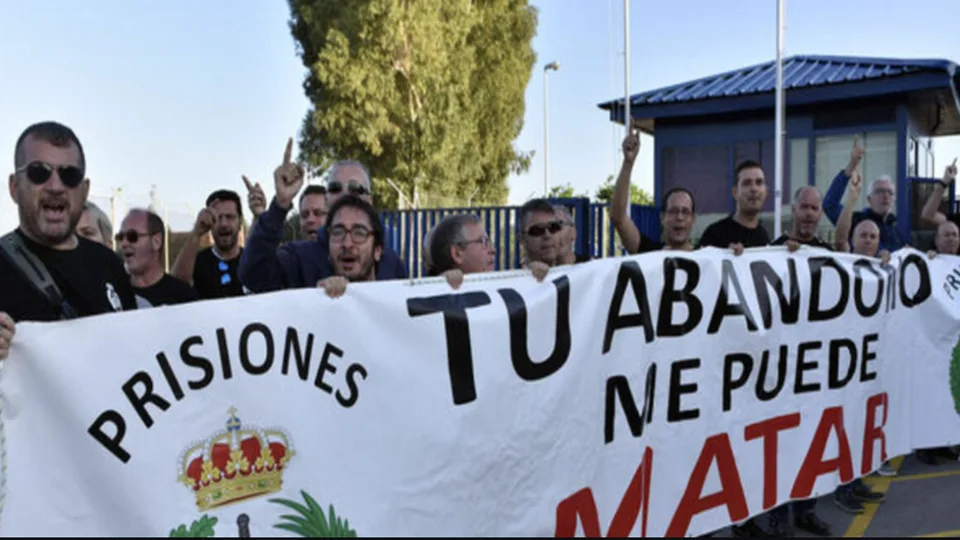
    The officers' platform "Tu Abandono Me Puede Matar" (Your Neglect Can Kill Me) blames poor management of the prison system. It also criticises the official protocol for recording attacks, arguing that some incidents are left out, and demands that prison officers be recognised as agents of authority. The union announced a demonstration in Madrid to call for equal pay and better conditions.

    What this means for inmates and families

    When violence rises, prisons usually respond with tighter security: more cell searches, suspended activities and restrictions on movement and visits. Inmates who are not involved are often affected too.

    If a loved one is moved, isolated or has visits cancelled after an incident, they still have rights. Ask in writing for the reason and how long the measure will last, and inform their lawyer. We can help you with this. Contact us.


    Source: El Independiente

  • CSIF: Andalusian prisons lack doctors

    CSIF: Andalusian prisons lack doctors

    The public-sector union CSIF has raised the alarm about a shortage of doctors in Andalusian prisons. According to the union, 16 prisons, more than 75% of the centres in the region, have had to hire private medical services because they cannot fill their own positions.

    Vacant doctor positions by province

    • Cádiz: 15
    • Sevilla: 15
    • Málaga: 11
    • Granada: 7
    • Huelva: 6
    • Jaén: 5
    • Almería: 3
    • Córdoba: 3
    • Total: 65 vacant positions

    CSIF is asking the Ministry of the Interior for an urgent solution that does not involve privatising prison health care. The union also points out that nurses are being forced to take on the work of doctors, and that the remaining doctors often cannot take holidays or rest days because there is no one to cover them.

    What this means for inmates and families

    A lack of doctors can mean longer waits for appointments, delays in medication and fewer referrals to hospital specialists. For inmates with chronic conditions this can be serious.

    If your loved one needs medical care in prison:

    • Make sure the prison has their medical history and current medication in writing.
    • Ask for a copy of any medical reports. Inmates have the right to their own health information.
    • Tell their lawyer if care is delayed. In some cases a lawyer can request hospital treatment or raise the issue with the judge.

    We can help you organise this and follow up. Contact us.


    Source: CSIF Andalucía

  • Crime of fashion: Spanish prison officers object to inmate-made uniforms

    Crime of fashion: Spanish prison officers object to inmate-made uniforms

    In Spain, the uniforms worn by the country's roughly 25,000 prison staff are made by inmates in prison textile workshops. The scheme is run by a state company and is meant to give prisoners real work experience and a better chance of finding a job after release.

    The officers are not happy with the result.

    The complaint

    The prison workers' section of the UGT union says the uniforms are badly made: pockets sewn at different heights, trouser legs of unequal length, colours that run, wrong sizes and sometimes stains. According to the union, the problem is a lack of quality control rather than bad intentions.

    When the contract was renewed, the union demanded that it be cancelled and the work given to an external company. It argues that prison staff are treated worse than the national police and the Guardia Civil, whose uniforms are made by established suppliers.

    The prison workshop organisation, for its part, says its goal is to produce high-quality goods. As the government has invested in machinery and training in the eight textile workshops inside Spanish prisons, the contract is unlikely to be moved outside soon.

    What this means for inmates and families

    Behind the story about uniforms is something that matters a lot to families: paid work inside prison. Spanish prisons offer jobs in workshops, kitchens, laundry and maintenance. Work gives the inmate:

    • A small income for the prison account (peculio), which reduces the need for money from home.
    • Structure in the day and new skills for life after release.
    • A positive record that can count when the prison assesses progression to a more open regime.

    Places are limited, so it helps to ask early. If your loved one wants to work, they can apply through the prison's treatment team, and we can help you follow up. Contact us.


    Source: The Guardian

  • Crime increases in Spain

    Crime increases in Spain

    Recorded crime in Spain rose by 7.2% in the first quarter of 2023 compared with the same period in 2022, according to the Ministry of the Interior's quarterly crime report.

    The main figures

    • Homicides: 84, up from 74 (+13.5%).
    • Sexual offences: more than 3,000 reports (+16.9%).
    • Kidnappings: 34, up from 13.

    Regional differences

    Crime grew most in Murcia (+14.5%), followed by La Rioja (+13.8%), the Valencian Community (+12.2%) and Catalonia (+11.3%). Andalusia, the Balearic Islands and Extremadura each saw increases of around 10%.

    The Community of Madrid recorded 103,456 crimes between January and March, an increase of 1.8%. Attempted murders and intentional homicides grew the most there, by 29.2%.

    Crime fell in Galicia (-8.3%), Cantabria (-1.7%), Castilla y León (-0.7%) and Ceuta (-9.3%).

    What this means for inmates and families

    More recorded crime usually means more arrests, busier courts and fuller prisons. For people arrested in Spain, and especially for foreigners, this can mean longer waits for hearings and more time in pre-trial detention.

    If someone close to you has been arrested, the first days are the most important:

    • Find out where they are held and which court has the case.
    • Make sure they have a lawyer they trust, not only the duty lawyer if you are unsure.
    • Keep all documents and letters, and write down dates.

    We help families with exactly this. Contact us.


    Source: El Español

  • Europol dismantles cannabis network: 107 arrested

    Europol dismantles cannabis network: 107 arrested

    A criminal network made up mainly of Albanian-speaking members, suspected of large-scale cannabis trafficking, has been dismantled in an operation supported by Europol. 107 people were arrested during a coordinated action day on 13 July involving police in Spain, Germany and Albania.

    How the network operated

    According to Europol, the group ran cannabis plantations in Spain, where the plants were grown and processed before being moved to other European countries. The organisation was clan-based and hierarchical, with branches abroad, and several of those arrested had previous drug trafficking records in other countries.

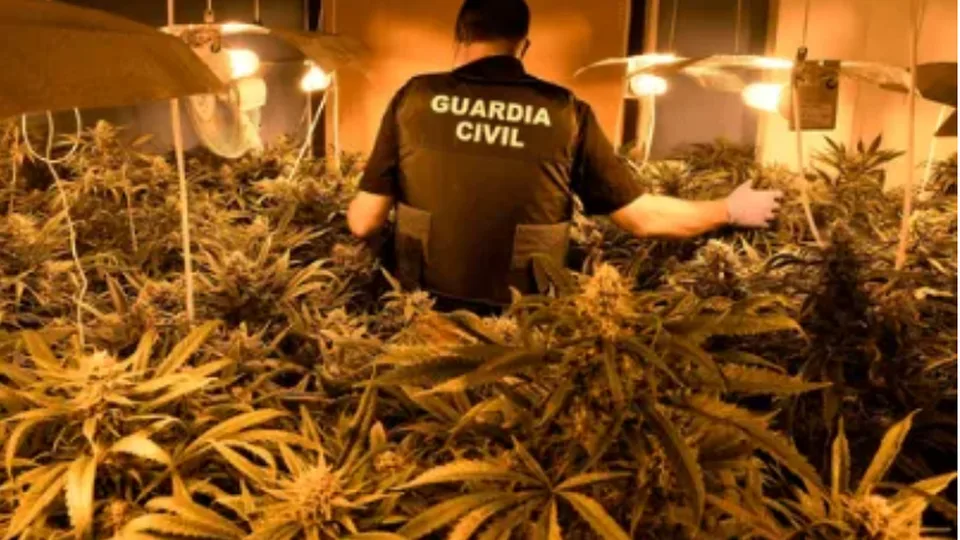
    The plants were grown indoors using electricity diverted illegally from the grid. The stolen electricity is estimated at more than €1.6 million.

    The operation

    Around 400 officers carried out simultaneous searches at 42 locations in Tarragona, Barcelona, Girona and Castellón, followed by nine more searches a few days later. The results:

    • 107 people arrested, including Albanian, Spanish, Slovak and Greek nationals
    • 51 cannabis farms uncovered
    • 25,000 cannabis plants seized
    • €70,000 in cash and two high-end vehicles seized

    Spain's National Police and the Catalan Mossos d'Esquadra led the work on the ground, together with German customs investigators, the Albanian State Police and Europol's European Serious Organised Crime Centre.

    What this means for inmates and families

    Large operations like this one often include people of many nationalities, and not everyone arrested plays the same role. For a foreigner arrested in Spain, the first days decide a lot: whether they stay in pre-trial detention, which lawyer takes the case, and whether the family can keep contact.

    If a family member has been arrested in a case like this:

    • Find out which court (juzgado) is handling the case and where they are held.
    • Ask for an interpreter and make sure the consulate of their country has been informed.
    • Get a lawyer with experience in drug cases and international investigations.

    GC Libertad can help you find the right lawyer and keep in contact with your loved one. Contact us.


    Source: Europol

  • List of the most dangerous prisons in Spain

    List of the most dangerous prisons in Spain

    Which Spanish prisons are the most conflictive? Figures collected by the prison officers' union Acaip for the first three quarters of 2022 show where the most attacks on staff took place. Here are the five prisons at the top of the list.

    1. Madrid V – Soto del Real (Madrid)

    • Inmates: 1,072
    • Attacks on officers: 18

    Madrid V holds many people in pre-trial detention. Inmates come and go often, which makes it harder for staff to know who may be violent. According to the union, most incidents happen in the admission, isolation and infirmary units, often when new arrivals are in shock or suffering withdrawal.

    2. Sevilla II – Morón de la Frontera (Seville)

    • Inmates: 1,192
    • Attacks on officers: 17

    Sevilla II has seen the biggest increase: from 8 attacks in all of 2016 to 17 in just nine months of 2022. The union links this to the large number of inmates transferred from other parts of Spain, far from their families. An inmate also escaped from Morón during a supervised outing in 2022.

    3. Puerto III – El Puerto de Santa María (Cádiz)

    • Inmates: 1,254
    • Attacks on officers: 15

    Many people convicted of drug trafficking in the province of Cádiz end up here. Staff report repeated attempts to bring mobile phones and drugs into the prison, including by drone.

    4. Las Palmas II – Gran Canaria

    • Attacks on officers: 13

    The only prison in the top five with fewer than 1,000 inmates. In nine months it recorded almost as many attacks as both Gran Canaria prisons together in the whole of 2016.

    5. Botafuegos – Algeciras (Cádiz)

    • Inmates: 1,049
    • Attacks on officers: 11

    Botafuegos shares fifth place with Teixeiro (Galicia) and Valencia (Picassent), Spain's largest prison with around 1,600 inmates. Botafuegos is known as the "drug prison" because it holds many of the main traffickers from the Campo de Gibraltar. It also tops the list for mobile phones found by staff: 690 in five years.

    What this means for inmates and families

    Being sent to one of these prisons does not mean your loved one will be in danger, but it is worth staying close to the situation:

    • Keep regular contact, and pay attention to changes in mood or tone.
    • If your loved one feels threatened, they can ask the prison for protection or a transfer to another unit. Requests should be in writing.
    • Inmates have the right to serve their sentence close to their family where possible. A lawyer can request a transfer, especially for foreigners far from home.

    GC Libertad can help you follow up with the prison and request a transfer. Contact us.


    Source: El Periódico de España

  • Daily life in a Spanish prison: a guide for families

    Daily life in a Spanish prison: a guide for families

    When someone you love goes to prison in Spain, one of the hardest things is not knowing what their days look like. This guide explains how a Spanish prison works, from the first day to visits, calls and work.

    Arrival: the first day

    When a person arrives at the prison:

    1. Their details are registered, and fingerprints and photos are taken.
    2. They and their belongings are searched. Items that are not allowed are stored safely and returned on release, or handed to a family member if both agree.
    3. A doctor carries out a first health check.
    4. Prison professionals interview them about their family and social situation, and can advise on available support.
    5. They are assigned a module (unit) and receive bedding, hygiene products and clothing.

    The three prison grades

    Every sentenced inmate is classified in a grade, which decides how they live:

    • First grade (closed regime): for inmates considered dangerous, for example because of their behaviour or a previous escape attempt. No leave is allowed.
    • Second grade (ordinary regime): the most common. Inmates receive visits, can work and take part in activities, and can be considered for leave to prepare for release.
    • Third grade (open regime): the inmate spends the day outside and returns to prison to sleep. It requires good behaviour and approval from the prison.

    The grade is decided by the Treatment Board (Junta de Tratamiento), made up of the director and prison professionals. It reviews each inmate's grade at least every six months, looking at their behaviour, family and social situation and the offence. If the inmate disagrees with a decision, they can appeal to the Prison Supervision Court (Juzgado de Vigilancia Penitenciaria).

    A normal day

    • Inmates are locked in their cells from around 8 pm to 8 am. Cells have an intercom for emergencies.
    • Meals are early: breakfast, lunch and dinner at fixed times.
    • During the day, inmates must stay in the common areas of their module, which usually have tables, a TV, a sports court and games such as table football.
    • The routine is the same every day, including weekends and holidays.
    • There is no internet and mobile phones are forbidden. Inmates can buy an approved TV for their cell through the prison shop.

    Rules and sanctions

    Prohibited behaviour includes drugs and alcohol, violence or threats, discrimination, fights, disobeying staff, unauthorised items, theft and escape attempts. Sanctions range from a written warning to loss of activities (up to one month), restricted communication, suspended leave (up to two months) or confinement to the cell (up to 14 days).

    Staying in contact

    A judge can restrict an inmate's communications in some cases. Otherwise, there are several ways to stay in touch.

    Visits

    • Family visits in a room: at least once a month, lasting 1 to 3 hours.
    • Booth visits (locutorio): through glass with a phone. Up to 4 visitors, booked a few days in advance, up to about 40 minutes.
    • Intimate visits: with a partner, at least once a month, 1 to 3 hours.
    • Family coexistence visits: for inmates with children under 10. Up to 6 people, once every three months, 3 to 6 hours.
    • Lawyer visits: always allowed, even if the inmate has been sanctioned.

    Phone calls

    Inmates can call up to 10 approved people, such as family and their lawyer. They pay for their own calls, with a maximum of 10 calls per week of 5 minutes each.

    Letters and parcels

    There is no limit on letters. Inmates can send and receive up to two parcels per month (one for first-grade inmates), as long as they contain no prohibited items.

    Work and education

    Spanish prisons offer training workshops, paid work (the salary goes to the inmate's prison account), the chance to finish studies, and sports, leisure and cultural activities. Taking part is good for the inmate and can count positively when the Treatment Board reviews their grade.

    How GC Libertad can help

    The rules are the same everywhere, but every prison handles things a little differently, and for families abroad it can be hard to get answers. We help families book visits, get the authorisations needed to pay in money and hand in clothes in person, keep contact with the social worker and follow up on grade reviews and leave. Contact us.


    Source: Cadena SER