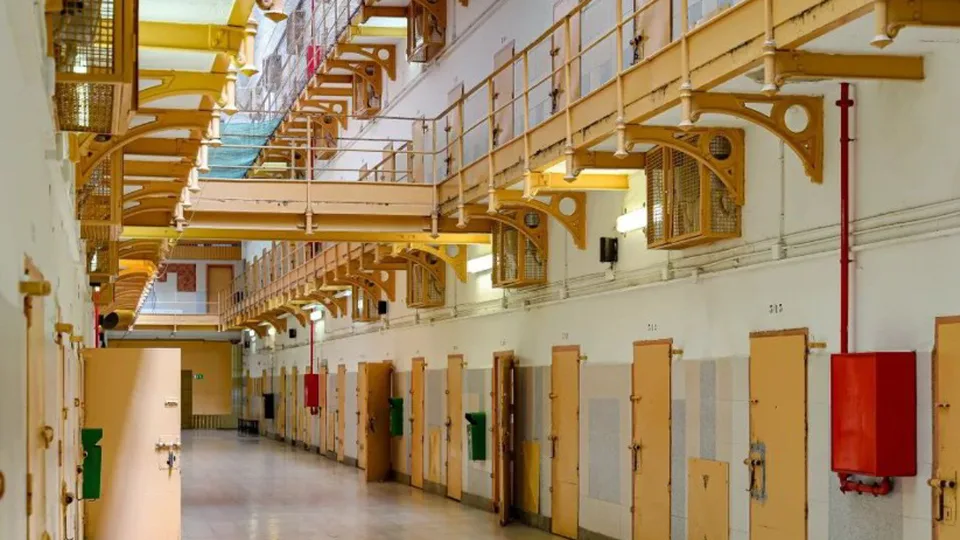
When someone you love goes to prison in Spain, one of the hardest things is not knowing what their days look like. This guide explains how a Spanish prison works, from the first day to visits, calls and work.
Arrival: the first day
When a person arrives at the prison:
- Their details are registered, and fingerprints and photos are taken.
- They and their belongings are searched. Items that are not allowed are stored safely and returned on release, or handed to a family member if both agree.
- A doctor carries out a first health check.
- Prison professionals interview them about their family and social situation, and can advise on available support.
- They are assigned a module (unit) and receive bedding, hygiene products and clothing.
The three prison grades
Every sentenced inmate is classified in a grade, which decides how they live:
- First grade (closed regime): for inmates considered dangerous, for example because of their behaviour or a previous escape attempt. No leave is allowed.
- Second grade (ordinary regime): the most common. Inmates receive visits, can work and take part in activities, and can be considered for leave to prepare for release.
- Third grade (open regime): the inmate spends the day outside and returns to prison to sleep. It requires good behaviour and approval from the prison.
The grade is decided by the Treatment Board (Junta de Tratamiento), made up of the director and prison professionals. It reviews each inmate's grade at least every six months, looking at their behaviour, family and social situation and the offence. If the inmate disagrees with a decision, they can appeal to the Prison Supervision Court (Juzgado de Vigilancia Penitenciaria).
A normal day
- Inmates are locked in their cells from around 8 pm to 8 am. Cells have an intercom for emergencies.
- Meals are early: breakfast, lunch and dinner at fixed times.
- During the day, inmates must stay in the common areas of their module, which usually have tables, a TV, a sports court and games such as table football.
- The routine is the same every day, including weekends and holidays.
- There is no internet and mobile phones are forbidden. Inmates can buy an approved TV for their cell through the prison shop.
Rules and sanctions
Prohibited behaviour includes drugs and alcohol, violence or threats, discrimination, fights, disobeying staff, unauthorised items, theft and escape attempts. Sanctions range from a written warning to loss of activities (up to one month), restricted communication, suspended leave (up to two months) or confinement to the cell (up to 14 days).
Staying in contact
A judge can restrict an inmate's communications in some cases. Otherwise, there are several ways to stay in touch.
Visits
- Family visits in a room: at least once a month, lasting 1 to 3 hours.
- Booth visits (locutorio): through glass with a phone. Up to 4 visitors, booked a few days in advance, up to about 40 minutes.
- Intimate visits: with a partner, at least once a month, 1 to 3 hours.
- Family coexistence visits: for inmates with children under 10. Up to 6 people, once every three months, 3 to 6 hours.
- Lawyer visits: always allowed, even if the inmate has been sanctioned.
Phone calls
Inmates can call up to 10 approved people, such as family and their lawyer. They pay for their own calls, with a maximum of 10 calls per week of 5 minutes each.
Letters and parcels
There is no limit on letters. Inmates can send and receive up to two parcels per month (one for first-grade inmates), as long as they contain no prohibited items.
Work and education
Spanish prisons offer training workshops, paid work (the salary goes to the inmate's prison account), the chance to finish studies, and sports, leisure and cultural activities. Taking part is good for the inmate and can count positively when the Treatment Board reviews their grade.
How GC Libertad can help
The rules are the same everywhere, but every prison handles things a little differently, and for families abroad it can be hard to get answers. We help families book visits, get the authorisations needed to pay in money and hand in clothes in person, keep contact with the social worker and follow up on grade reviews and leave. Contact us.
Source: Cadena SER